
Isaiah 55:12
in Isaiah 55You will indeed go out with joy and be led forth in peace; the mountains and hills will burst into song before you, and all the trees of the field will clap their hands.
BSB
The same verse in ASV and KJV ▾
ASV
For ye shall go out with joy, and be led forth with peace: the mountains and the hills shall break forth before you into singing; and all the trees of the fields shall clap their hands.
KJV
For ye shall go out with joy, and be led forth with peace: the mountains and the hills shall break forth before you into singing, and all the trees of the field shall clap their hands.
⋯
This verse in Isaiah 55
Commentary
2 notes on this verseThe mountains and the hills - These are highly poetical images to express a happy state attended with joy and exultation. Ipsi laetitia voces ad sidera jactant Intonsi montes: ipsae jam carmina rupes, Ipsa sonant arbusta. Virg. Ecl. 5:61. “The mountain tops unshorn, the rocks rejoice; The lowly shrubs partake of human voice.” Dryden.
This site's exposition
go out with joy
on Isaiah 55:12-13
Going out with joy and being led forth with peace pictures a second exodus without the haste of the first, and the mountains, hills, and trees are said to respond with singing and clapping, creation itself joining the celebration. Verse 13 replaces the thorn with the fir tree and the brier with the myrtle, small plants standing for the whole reversal the chapter promises. The last line calls this an everlasting sign that shall not be cut off, closing the invitation that opened the chapter with a permanence matching the covenant sworn in chapter 54.
How the passage was read
On Isaiah 55:1-13On Isaiah 55:1-13
How the synagogue has read this chapter
This chapter is not a shelf text in Jewish practice. A haftarah is a short reading from the Prophets that follows the Torah reading in the synagogue service, chosen long ago to match the day; and the passage beginning “Seek the LORD while He may be found” (Isaiah 55:6–56:8) is the haftarah appointed for the afternoon of public fast days in the Ashkenazi rite. A public fast day is a day the whole community goes without food to turn back to God together, the way Nineveh fasted in Jonah. So for centuries, these are the words a congregation hears at precisely the moment it is repenting.
In the Babylonian Talmud (tractate Ta’anit, compiled by about the sixth century AD), the chapter’s water is Torah, God’s teaching. “Everyone who thirsts, come to the waters” (55:1) is expounded in Ta’anit 7a: as water leaves high ground and gathers low, the words of Torah endure only in the humble. The rain of verses 10–11, which “does not return empty,” stands in the same discussions (Ta’anit 6b–7a): rain that makes the earth bear becomes the sages’ picture of a word from heaven that accomplishes what it was sent to do.
What the individual commentators add on this verse, in their own words, follows below.
What the Jewish commentators add
On the verses either side of this one
so shall be My word that emanates from My mouth to inform you through the prophets, will not return empty, but will do good to you if you heed them.
1 more on this passage, in their own words ▾
Instead of the briar, etc. Our Rabbis expounded [Targum Jonathan]: Instead of the wicked, righteous people shall arise.
This section is reception history: how the passage was read and kept in the Jewish tradition. Where a reading parts from an essential of the Christian faith, the section says so at that point.
Sources: Ta’anit 7a (Babylonian Talmud) · Ta’anit 6b · Shulchan Arukh, Orach Chayim 566 (the fast-day rite, with Rema)
Texts and citation data: Sefaria; each excerpt follows its version’s licence. 3 further sources are cited on this chapter that carry no English text this site may quote or only restate the verse.
The words behind it
15 Hebrew wordsEvery Hebrew word of this verse in the order it stands, with what it means and the door to its own study. The last column counts the times a word stands in the whole Bible: the rarer the word, the more the places it appears belong together.
| Hebrew | Sound | Meaning | Word study | In the Bible |
|---|---|---|---|---|
| כִּֽי־ | ki- | for | H3588 → | 4482 times |
| בְשִׂמְחָ֣ה | vesimchah | in joy | H8057 → | 94 times |
| תֵצֵ֔אוּ | tetzeu | you will go out | H3318 → | 1067 times |
| וּבְשָׁל֖וֹם | uveshalom | and in peace | H7965 → | 236 times |
| תּֽוּבָל֑וּן | tuvalun | you will be led ! | H2986 → | 18 times |
| הֶהָרִ֣ים | heharim | the mountains | H2022 → | 546 times |
| וְהַגְּבָע֗וֹת | vehagevaot | and the hills | H1389 → | 68 times |
| יִפְצְח֤וּ | yiftzechu | they will break forth | H6476 → | 8 times |
| לִפְנֵיכֶם֙ | lifneikhem | <to> before you | H6440 → | 2123 times |
| רִנָּ֔ה | rinah | a shout of joy | H7440 → | 33 times |
| וְכָל־ | vekhol | and all | H3605 → | 5413 times |
| עֲצֵ֥י | ʾatzei | [the] trees of | H6086 → | 328 times |
| הַשָּׂדֶ֖ה | hasadeh | the field | H7704 → | 334 times |
| יִמְחֲאוּ־ | yimchau- | they will clap | H4222 → | |
| כָֽף׃ | khaf | a palm | H3709 → | 192 times |
כִּֽי־for
ki-H3588 →4482 times
בְשִׂמְחָ֣הin joy
vesimchahH8057 →94 times
תֵצֵ֔אוּyou will go out
tetzeuH3318 →1067 times
וּבְשָׁל֖וֹםand in peace
uveshalomH7965 →236 times
תּֽוּבָל֑וּןyou will be led !
tuvalunH2986 →18 times
הֶהָרִ֣יםthe mountains
heharimH2022 →546 times
וְהַגְּבָע֗וֹתand the hills
vehagevaotH1389 →68 times
יִפְצְח֤וּthey will break forth
yiftzechuH6476 →8 times
לִפְנֵיכֶם֙<to> before you
lifneikhemH6440 →2123 times
רִנָּ֔הa shout of joy
rinahH7440 →33 times
וְכָל־and all
vekholH3605 →5413 times
עֲצֵ֥י[the] trees of
ʾatzeiH6086 →328 times
הַשָּׂדֶ֖הthe field
hasadehH7704 →334 times
יִמְחֲאוּ־they will clap
yimchau-H4222 →
כָֽף׃a palm
khafH3709 →192 times
A shaded row is a word that stands 400 times or fewer in the Bible.
The walk
8 stopsEach card is a verse this one points to, and under it the verses that one points to in turn. Where several paths arrive at the same place, that place is listed first: the text keeps returning to it.
Through
Galatians 5:22But the fruit of the Spirit is love, joy, peace, patience, kindness, goodness, faithfulness,
it leads to
- Colossians 3:12–17
Therefore, as the elect of God, holy and beloved, clothe yourselves with hearts of compassion, kindness, humility, gentleness, and patience.
- 1 Corinthians 13:4–7
Love is patient, love is kind. It does not envy, it does not boast, it is not proud.
- John 15:5
I am the vine and you are the branches. The one who remains in Me, and I in him, will bear much fruit. For apart from Me you can do nothing.
- James 3:17–18
But the wisdom from above is first of all pure, then peace-loving, gentle, accommodating, full of mercy and good fruit, impartial, and sincere.
- John 15:2
He cuts off every branch in Me that bears no fruit, and every branch that does bear fruit, He prunes to make it even more fruitful.
- Colossians 3:12–17
Through
Romans 15:13Now may the God of hope fill you with all joy and peace as you believe in Him, so that you may overflow with hope by the power of the Holy Spirit.
it leads to
- 2 Thessalonians 2:16–17
Now may our Lord Jesus Christ Himself and God our Father, who by grace has loved us and given us eternal comfort and good hope,
- Romans 12:12
Be joyful in hope, patient in affliction, persistent in prayer.
- 2 Corinthians 9:8
And God is able to make all grace abound to you, so that in all things, at all times, having all that you need, you will abound in every good work.
- 2 Thessalonians 2:16–17
Where this verse is studied
About Isaiah
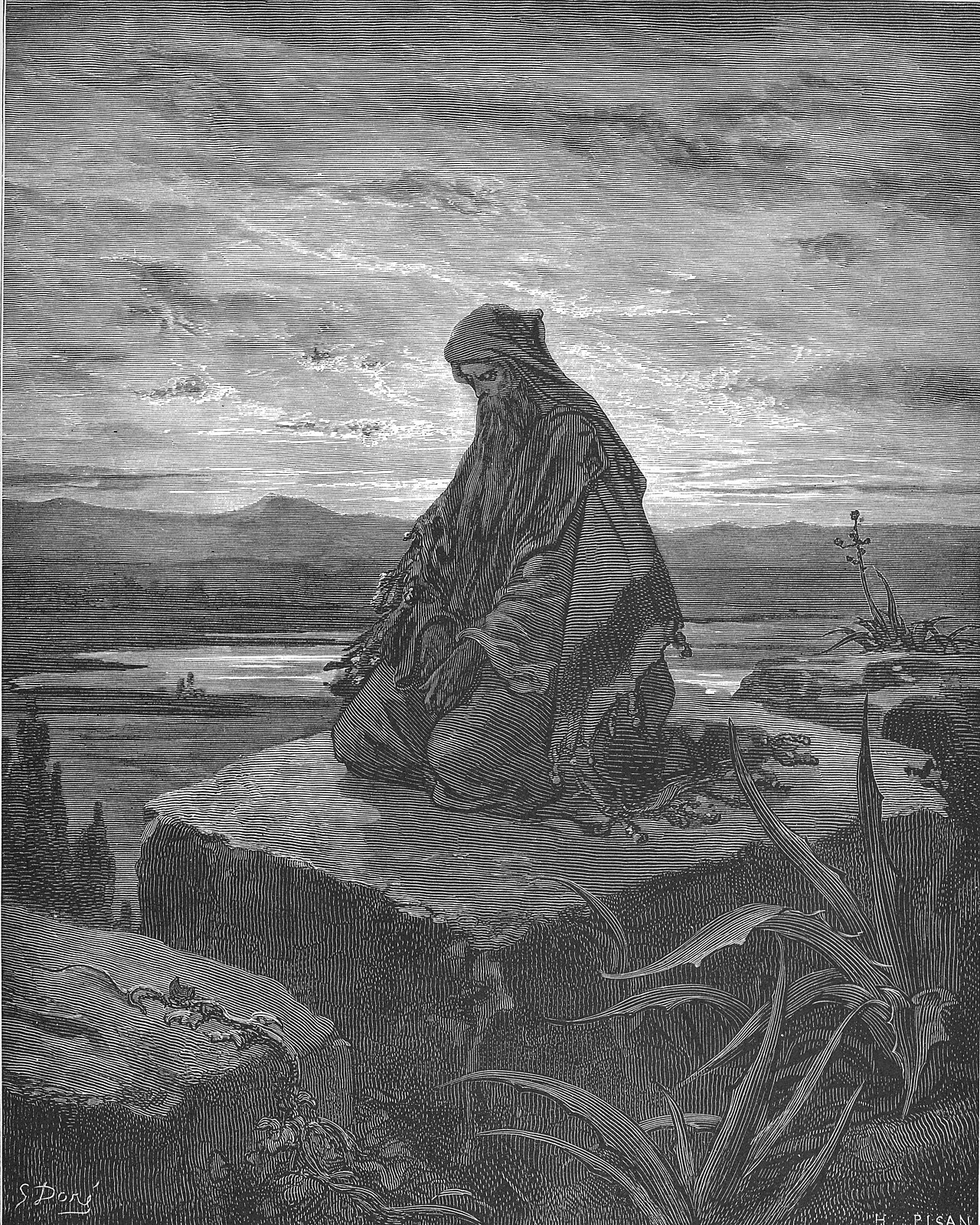
This page draws on Adam Clarke, Commentary on the Bible; Franz Delitzsch, Biblical Commentary on the Prophecies of Isaiah and John Gill, Exposition of the Old Testament.