
Isaiah 32:5
in Isaiah 32No longer will a fool be called noble, nor a scoundrel be respected.
BSB
The same verse in ASV and KJV ▾
ASV
The fool shall be no more called noble, nor the churl said to be bountiful.
KJV
The vile person shall be no more called liberal, nor the churl said to be bountiful.
⋯
This verse in Isaiah 32
Commentary
9 notes on this verseAnd also as to their consequent liberty, namely, from tyrants: the fool shall no more be called prince, namely, Sennacherib, to whom formerly they paid tribute, as is evident in 2 Kings 18:14. I will deliver them out of the hand of the king of …
This site's exposition
The vile person shall be no more called liberal
on Isaiah 32:5-8
Verse 5 promises a moral clarification under the righteous king: the vile person will no longer be flattered with the name liberal, nor the churl called bountiful. Verses 6 through 8 draw the two portraits out in full, the vile person working iniquity and hypocrisy while starving the hungry and cutting off the thirsty, and the churl using lying words to destroy the poor, set against the liberal man who devises liberal things and stands by them. Matthew Henry reads the passage as Isaiah correcting popular speech itself, the world's flattering names for greed and stinginess exposed once true righteousness sets the standard by which they are named.
The record, by era
The Church Fathers1 voice
(Chapter 32, Verses 1 onwards) Behold, the king shall reign with justice, and princes shall rule with judgment. And a man shall be like one who hides from the wind, and conceals himself from the storm: like streams of water in a dry place, and the shadow of a towering rock in a barren land. The eyes of those who see shall not be dim, and the ears of those who hear shall listen carefully. And the heart of fools shall understand knowledge, and the tongue of stammerers shall speak quickly and clearly.
The Puritans and the Awakening3 voices
The vile person shall be no more called liberal,.... Or "Nabal" (a fool) "shall no more be called Nadib" (e) (a prince); or have this name put upon him, or be advanced to honour and dignity, or be flattered with such a title, so unbecoming him.
Whether this was fulfilled in the reign of Hezekiah, and how far it refers to the kingdom of Christ (in which we are sure men are judged of by what they are, not by what they have, nor is any man's character mistaken), we will not say; but it prescribes an excellent rule both to prince and people, to respect men according to their personal merit.
A prophecy of the great disturbance that would be given to the kingdom in the middle of his reign by the Assyrian invasion,
The Nineteenth Century1 voice
A commentator
Albert Barnes1798–1870
Notes, Explanatory and Practical, on the Old and New Testaments (1832-1869)
The vile person - Hebrew, ‘Fool.’ But the connection requires us to understand this as the opposite of liberal; and it means a person who is close, miserly, narrow-minded, covetous. This person is designated, very appropriately, as a fool. Shall be no more called liberal - It is probable that under the reign of former princes, when all views of right and wrong had been perverted, people of unprincipled character had been the subjects of flattery, and names of virtue had been attributed to them by their friends and admirers.
2 more voices on this verse
The Nineteenth Century2 voices
A commentator
Jamieson, Fausset & Brown1802–1910
Commentary Critical and Explanatory on the Whole Bible (1871)
proposed
vile--rather, "fool" [LOWTH]; that is, ungodly (Ps 14:1; 74:18). liberal--rather, "noble-minded." churl--rather, "fraudulent" [GESENIUS]. bountiful--religiously.
quarantine:debris (2026-07-29) — starts-lowercase
The vile person shall no more be called liberal - The different epithets here employed require minute explanation. The vile person - נבל nabal, the pampered, fattened, brainless fellow, who eats to live, and lives to eat; who will scarcely part with any thing, and that which he does give he gives with an evil eye and a grudging heart. Liberal - נדיב nadib; the generous, openhearted, princely man, who writes on all his possessions, For myself and mankind, and lives only to get and to do good. The churl - כילי kilai, the avaricious man; he who starves himself amidst his plenty, and will not take the necessaries of life for fear of lessening his stock. Thus he differs from נבל nabal, who feeds himself to the full, and regards no one else; like the rich man in the Gospel. The avaricious man is called כילי kilai, from כי ki, for, לי li, myself; or contracted from כל col, all, and לי li, to myself: all is mine; all I have is my own; and all I can get is for myself: and yet this man enjoys nothing; he withholds From back and belly too their proper fare: - O cursed lust of gold, when for thy sake The wretch throws up his interest in both worlds, First starved in this, then damned in that to come! Bountiful - שוע shoa, he who is abundantly rich; who rejoices in his plenty, and deals out to the distressed with a liberal hand.
The words behind it
9 Hebrew wordsEvery Hebrew word of this verse in the order it stands, with what it means and the door to its own study. The last column counts the times a word stands in the whole Bible: the rarer the word, the more the places it appears belong together.
| Hebrew | Sound | Meaning | Word study | In the Bible |
|---|---|---|---|---|
| לֹֽא־ | lo'- | not | H3808 → | 5168 times |
| יִקָּרֵ֥א | yikare' | it will be called | H7121 → | 733 times |
| ע֛וֹד | od | again | H5750 → | 490 times |
| לְנָבָ֖ל | lenaval | to a fool | H5036 → | |
| נָדִ֑יב | nadiv | noble | H5081 → | 29 times |
| וּלְכִילַ֕י | ulekhilai | and of a scoundrel | H3596 → | |
| לֹ֥א | lo' | not | H3808 → | 5168 times |
| יֵֽאָמֵ֖ר | yeamer | it will be said | H559 → | 5305 times |
| שֽׁוֹעַ׃ | shoa' | eminent person | H7771 → |
לֹֽא־not
lo'-H3808 →5168 times
יִקָּרֵ֥אit will be called
yikare'H7121 →733 times
ע֛וֹדagain
odH5750 →490 times
לְנָבָ֖לto a fool
lenavalH5036 →
נָדִ֑יבnoble
nadivH5081 →29 times
וּלְכִילַ֕יand of a scoundrel
ulekhilaiH3596 →
לֹ֥אnot
lo'H3808 →5168 times
יֵֽאָמֵ֖רit will be said
yeamerH559 →5305 times
שֽׁוֹעַ׃eminent person
shoa'H7771 →
A shaded row is a word that stands 400 times or fewer in the Bible.
The walk
8 stopsEach card is a verse this one points to, and under it the verses that one points to in turn. Where several paths arrive at the same place, that place is listed first: the text keeps returning to it.
Through
Isaiah 5:20Woe to those who call evil good and good evil, who turn darkness to light and light to darkness, who replace bitter with sweet and sweet with bitter.
it leads to
- Proverbs 17:15
Acquitting the guilty and condemning the righteous—both are detestable to the LORD.
- 2 Timothy 3:1–5
But understand this: In the last days terrible times will come.
- Luke 16:15
So He said to them, “You are the ones who justify yourselves before men, but God knows your hearts. For what is prized among men is detestable before God.
- Malachi 2:17
You have wearied the LORD with your words; yet you ask, “How have we wearied Him?” By saying, “All who do evil are good in the sight of the LORD, and in them He…
- Job 17:12
They have turned night into day, making light seem near in the face of darkness.
- Proverbs 17:15
Through
Malachi 3:18So you will again distinguish between the righteous and the wicked, between those who serve God and those who do not.”
it leads to
- Matthew 25:46
And they will go away into eternal punishment, but the righteous into eternal life.”
- Genesis 18:25
Far be it from You to do such a thing—to kill the righteous with the wicked, so that the righteous and the wicked are treated alike. Far be it from You! Will not the…
- Psalms 58:10–11
The righteous will rejoice when they see they are avenged; they will wash their feet in the blood of the wicked.
- Matthew 25:46
About Isaiah
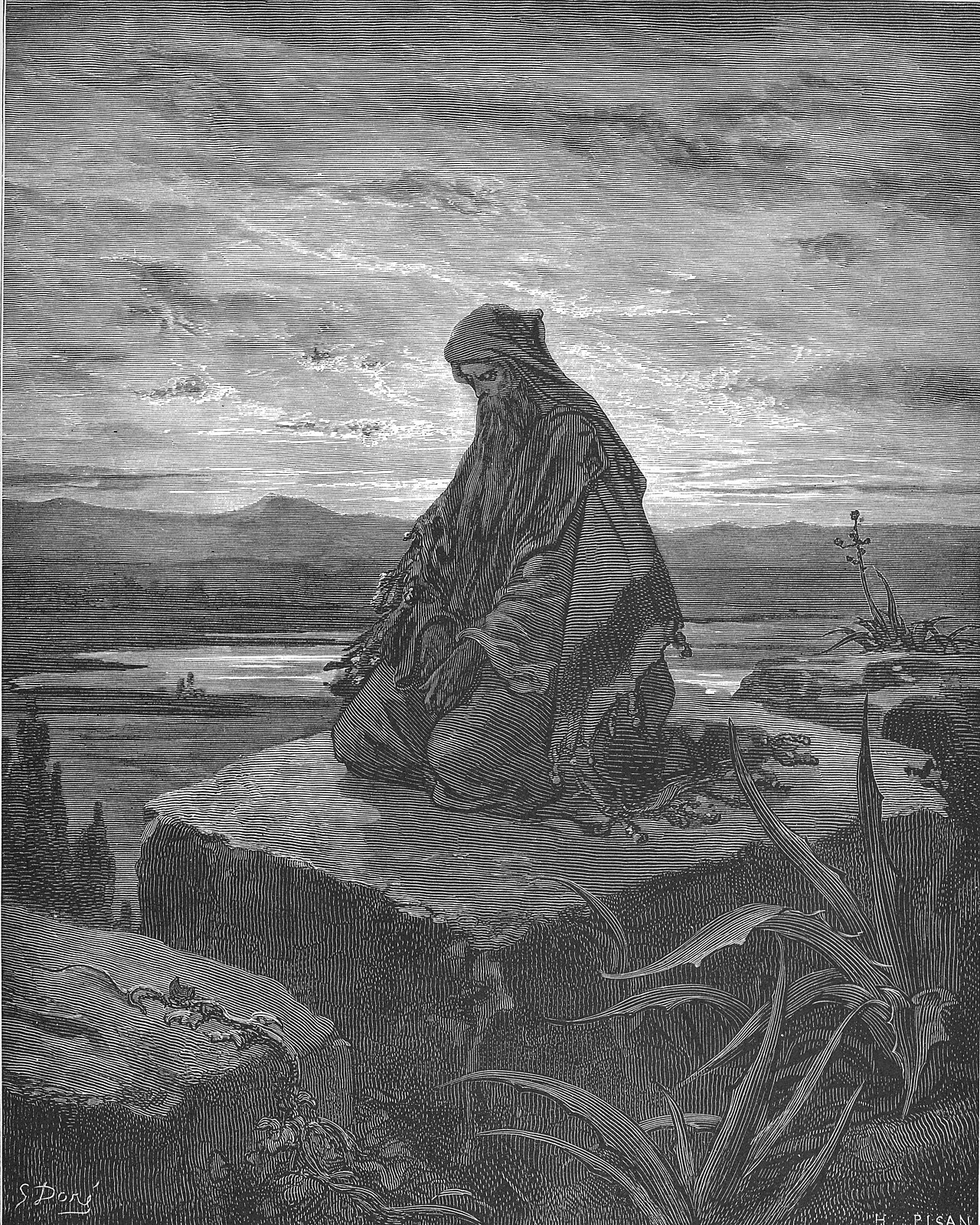
This page draws on Adam Clarke, Commentary on the Bible; Albert Barnes, Notes, Explanatory and Practical, on the Old and New Testaments (1832-1869); Jamieson, Fausset & Brown, Commentary Critical and Explanatory on the Whole Bible; Jerome, Commentary on Isaiah; John Gill, Exposition of the Old Testament; John Gill, Exposition of the Old Testament (1748-1763); Matthew Henry, Commentary on the Whole Bible and Thomas Aquinas, Commentary on Isaiah.