
Amos 8:4
in Amos 8Hear this, you who trample the needy, who do away with the poor of the land,
BSB
The same verse in ASV and KJV ▾
ASV
Hear this, O ye that would swallow up the needy, and cause the poor of the land to fail,
KJV
Hear this, O ye that swallow up the needy, even to make the poor of the land to fail,
⋯
This verse in Amos 8
Commentary
6 notes on this verseA commentator
Albert Barnes1798–1870
Notes, Explanatory and Practical, on the Old and New Testaments (1832-1869)
Here ye this, ye that swallow - Or, better in the same sense, “that pant for the needy;” as Job says, “the hireling panteth for the evening” Job 7:2. They “panted for the poor,” as the wild beast for its prey; and “that to make the poor” or (better, as the Hebrew text,) “the meek” , those not poor only, but who, through poverty and affliction, are “poor in spirit” also, “to fail.” The land being divided among all the inhabitants, they, in order “to lay field to field” Isa 5:8, had to rid themselves of the poor.
This site's exposition
swallow up the needy
on Amos 8:4-6
The charge names merchants who resent even the new moon and the sabbath because trading stops on those days, counting the hours until they may sell corn and set forth wheat again, making the ephah small, and the shekel great, and falsifying the balances by deceit, a triple fraud of measure, price and instrument at once. The bench reads buying the poor for silver, and the needy for a pair of shoes as debt slavery entered over a debt too small to matter, echoing 2:6, and selling the refuse of the wheat as cheating even the beggar who takes what the market rejects.
The record, by era
The Church Fathers1 voice
(V. 4, seqq.) Listen to this, you who crush the poor and make the needy of the earth fail, saying: When the month passes, we will sell our goods, and on the Sabbath, we will open the granary to decrease the measure and increase the weight; we will use deceitful scales to possess the poor in silver and sell the refuse of wheat.
The Puritans and the Awakening1 voice
Hear this, O ye that swallow up the needy,....
The Nineteenth Century2 voices
A commentator
Jamieson, Fausset & Brown1802–1910
Commentary Critical and Explanatory on the Whole Bible (1871)
proposed
Hear--The nobles needed to be urged thus, as hating to hear reproof. swallow up the needy--or, "gape after," that is, pant for their goods; so the word is used, Job 7:2, Margin. to make the poor . . . to fail--"that they (themselves) may be placed alone in the midst of the earth" (Isa 5:8).
Hear this, O ye that swallow up the needy - Ye that bruise the poor; exact from them, and tread them under foot.
The words behind it
7 Hebrew wordsEvery Hebrew word of this verse in the order it stands, with what it means and the door to its own study. The last column counts the times a word stands in the whole Bible: the rarer the word, the more the places it appears belong together.
| Hebrew | Sound | Meaning | Word study | In the Bible |
|---|---|---|---|---|
| שִׁמְעוּ־ | shimu- | hear | H8085 → | 1159 times |
| זֹ֕את | zot | this | H2063 → | 603 times |
| הַשֹּׁאֲפִ֖ים | hashoafim | O those [who] trample on | H7602 → | |
| אֶבְי֑וֹן | ʾevyon | [the] needy | H34 → | 61 times |
| וְלַשְׁבִּ֖ית | velashbit | and to put an end to | H7673 → | |
| עֲנִיֵּי | anvei- | [the] afflicted [people] of | H6041 → | |
| אָֽרֶץ׃ | ʾaretz | [the] land | H776 → | 2504 times |
שִׁמְעוּ־hear
shimu-H8085 →1159 times
זֹ֕אתthis
zotH2063 →603 times
הַשֹּׁאֲפִ֖יםO those [who] trample on
hashoafimH7602 →
אֶבְי֑וֹן[the] needy
ʾevyonH34 →61 times
וְלַשְׁבִּ֖יתand to put an end to
velashbitH7673 →
עֲנִיֵּי[the] afflicted [people] of
anvei-H6041 →
אָֽרֶץ׃[the] land
ʾaretzH776 →2504 times
A shaded row is a word that stands 400 times or fewer in the Bible.
The walk
8 stopsEach card is a verse this one points to, and under it the verses that one points to in turn. Where several paths arrive at the same place, that place is listed first: the text keeps returning to it.
Through
Psalms 12:5“For the cause of the oppressed and for the groaning of the needy, I will now arise,” says the LORD. “I will bring safety to him who yearns.”
it leads to
- Psalms 34:6
This poor man called out, and the LORD heard him; He saved him from all his troubles.
- Proverbs 14:31
Whoever oppresses the poor taunts their Maker, but whoever is kind to the needy honors Him.
- James 5:4
Look, the wages you withheld from the workmen who mowed your fields are crying out against you. The cries of the harvesters have reached the ears of the Lord of Hosts.
- Psalms 146:7–8
He executes justice for the oppressed and gives food to the hungry. The LORD sets the prisoners free,
- Micah 7:8–9
Do not gloat over me, my enemy! Though I have fallen, I will arise; though I sit in darkness, the LORD will be my light.
- Psalms 34:6
Through
Proverbs 30:14there is a generation whose teeth are swords and whose jaws are knives, devouring the oppressed from the earth and the needy from among men.
it leads to
- Psalms 57:4
My soul is among the lions; I lie down with ravenous beasts— with men whose teeth are spears and arrows, whose tongues are sharp swords.
- Psalms 3:7
Arise, O LORD! Save me, O my God! Strike all my enemies on the jaw; break the teeth of the wicked.
- Psalms 57:4
Through
Psalms 14:4Will the workers of iniquity never learn? They devour my people like bread; they refuse to call upon the LORD.
it leads to
- Psalms 79:6
Pour out Your wrath on the nations that do not acknowledge You, on the kingdoms that refuse to call on Your name,
- Psalms 79:6
Where this verse is studied
On this page
About Amos
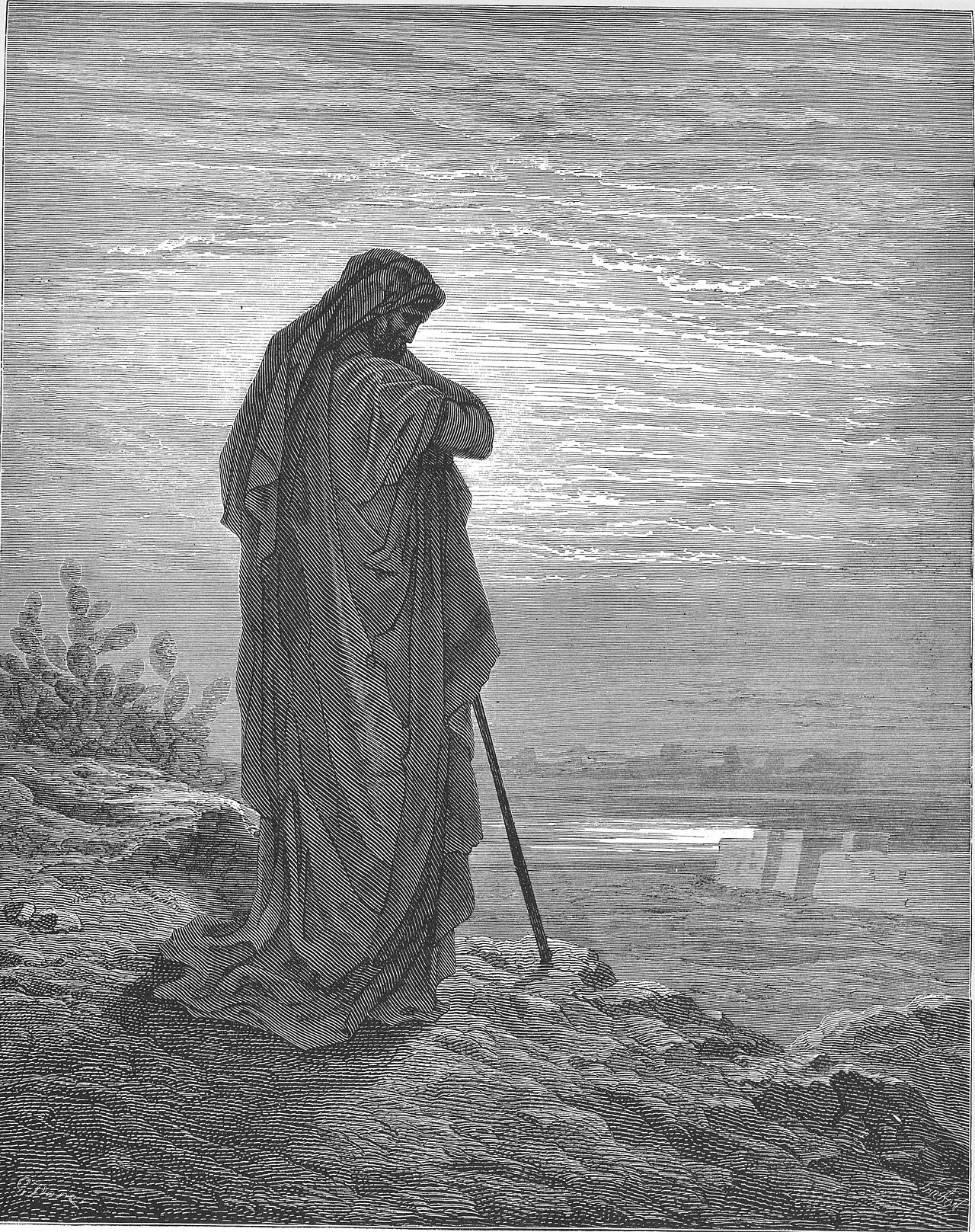
This page draws on Adam Clarke, Commentary on the Bible; Albert Barnes, Notes, Explanatory and Practical, on the Old and New Testaments (1832-1869); Jamieson, Fausset & Brown, Commentary Critical and Explanatory on the Whole Bible; Jerome, Commentary on Amos; John Gill, Exposition of the Old Testament; John Gill, Exposition of the Old Testament (1748-1763) and Matthew Henry, Commentary on the Whole Bible.