
1 Samuel 29:4
in 1 Samuel 29But the commanders of the Philistines were angry with Achish and told him, “Send that man back and let him return to the place you assigned him. He must not go down with us into battle only to become our adversary during the war. What better way for him to regain the favor of his master than with the heads of our men?
BSB
The same verse in ASV and KJV ▾
ASV
But the princes of the Philistines were wroth with him; and the princes of the Philistines said unto him, Make the man return, that he may go back to his place where thou hast appointed him, and let him not go down with us to battle, lest in the battle he become an adversary to us: for wherewith should this fellow reconcile himself unto his lord? should it not be with the heads of these men?
KJV
And the princes of the Philistines were wroth with him; and the princes of the Philistines said unto him, Make this fellow return, that he may go again to his place which thou hast appointed him, and let him not go down with us to battle, lest in the battle he be an adversary to us: for wherewith should he reconcile himself unto his master? should it not be with the heads of these men?
⋯
This verse in 1 Samuel 29
Commentary
6 notes on this verseThe princes of the Philistines were wroth - It is strange that they had not yet heard of David’s destruction of a village of the Geshurites, Gezrites, and Amalekites, 1Sa 27:8, 1Sa 27:9. Had they heard of this, they would have seen much more cause for suspicion.
This site's exposition
What do these Hebrews here
on 1 Samuel 29:3-4
Achish defends David to his own princes with a plain testimonial, no fault found in him since the day he fell unto me. The princes answer with military logic David cannot disprove, that a man cannot buy his way back into Saul's favor except with Philistine heads, and their suspicion sits closer to the truth than Achish's trust, since David had spent his months at Ziklag raiding towns he never reported to his Philistine lord. The scene sets one Gentile king's honest good opinion against shrewder men who read the case rightly for the wrong reason.
This site's exposition
the commanders of the Philistines were angry with Achish
Jamieson, Fausset and Brown fault David for what he tells Achish at 29:8, offering to fight against the enemies of the king when he likely had no purpose to fight. They see an earlier false step bearing its fruit. The anger of the commanders keeps David out of the battle.
The record, by era
The Puritans and the Awakening2 voices
David Leaves the Philistines. 6 Then Achish called David, and said unto him, Surely, as the L ORD liveth, thou hast been upright, and thy going out and thy coming in with me in the host is good in my sight: for I have not found evil in thee since the day of thy coming unto me unto this day: nevertheless the lords favour thee not.
quarantine:scripture (2026-07-29) — scripture-overlap:95%@v4-6
And the princes of the Philistines were wroth with him,....
The Nineteenth Century1 voice
A commentator
Jamieson, Fausset & Brown1802–1910
Commentary Critical and Explanatory on the Whole Bible (1871)
But David is not free from censure in his professions to Achish (1Sa 29:8), to do what he probably had not the smallest purpose of doing--of fighting with Achish against his enemies. It is just an instance of the unhappy consequences into which a false step--a departure from the straight course of duty--will betray everyone who commits it.
How the passage was read
What the Jewish commentators add
On the verses either side of this one
From the day he settled. From the day of his camping with me. 1 See Bereishis:18, and Rashi there explains that נָפָל means ‘dwelt.’
This section is reception history: how the passage was read and kept in the Jewish tradition. Where a reading parts from an essential of the Christian faith, the section says so at that point.
Texts and citation data: Sefaria; each excerpt follows its version’s licence. 7 further sources are cited on this chapter that carry no English text this site may quote or only restate the verse.
The words behind it
35 Hebrew wordsEvery Hebrew word of this verse in the order it stands, with what it means and the door to its own study. The last column counts the times a word stands in the whole Bible: the rarer the word, the more the places it appears belong together.
| Hebrew | Sound | Meaning | Word study | In the Bible |
|---|---|---|---|---|
| וַיִּקְצְפ֨וּ | vaiyiktzefu | and they were angry | H7107 → | |
| עָלָ֜יו | ʾalav | towards him | H5921 → | 5755 times |
| שָׂרֵ֣י | sarei | [the] commanders of | H8269 → | 421 times |
| פְלִשְׁתִּ֗ים | felishtim | [the] Philistines | H6430 → | 287 times |
| וַיֹּ֣אמְרוּ | vaiyomeru | and they said | H559 → | 5305 times |
| לוֹ֩ | lo | to <the> him | ||
| שָׂרֵ֨י | sarei | [the] commanders of | H8269 → | 421 times |
| פְלִשְׁתִּ֜ים | felishtim | [the] Philistines | H6430 → | 287 times |
| הָשֵׁ֣ב | hashev | send back | H7725 → | 1056 times |
| אֶת־ | ʾet- | <obj.> | H853 → | 10935 times |
| הָאִ֗ישׁ | haish | the man | H376 → | 1663 times |
| וְיָשֹׁב֙ | veyasho | so may he return | H7725 → | 1056 times |
| אֶל־ | ʾel- | to | H413 → | 5510 times |
| מְקוֹמוֹ֙ | mekomo | place his | H4725 → | 401 times |
| אֲשֶׁ֣ר | ʾasher | where | H834 → | 5497 times |
| הִפְקַדְתּ֣וֹ | hifkadto | you assigned him | H6485 → | 303 times |
| שָׁ֔ם | sham | there | H8033 → | 834 times |
| וְלֹֽא־ | velo'- | and not | H3808 → | 5168 times |
| יֵרֵ֤ד | yered | he will go down | H3381 → | 381 times |
| עִמָּ֙נוּ֙ | ʾimanu | with us | H5973 → | 1050 times |
| בַּמִּלְחָמָ֔ה | bamilchamah | in the battle | H4421 → | 320 times |
| וְלֹא־ | velo'- | and not | H3808 → | 5168 times |
| יִֽהְיֶה־ | yihyeh- | he will become | H1961 → | 3559 times |
| לָּ֥נוּ | lanu | of us | ||
| לְשָׂטָ֖ן | lesatan | <into> an adversary | H7854 → | |
| בַּמִּלְחָמָ֑ה | bamilchamah | in the battle | H4421 → | 320 times |
| וּבַמֶּ֗ה | uvameh | and <in> how? | H4100 → | 752 times |
| יִתְרַצֶּ֥ה | yitratzeh | will he make himself acceptable | H7521 → | |
| זֶה֙ | zeh | this one | H2088 → | 1180 times |
| אֶל־ | ʾel- | to | H413 → | 5510 times |
| אֲדֹנָ֔יו | ʾadonav | master<s> his | H113 → | 333 times |
| הֲל֕וֹא | halo' | ¿ not | H3808 → | 5168 times |
| בְּרָאשֵׁ֖י | berashei | by [the] heads of | H7218 → | 599 times |
| הָאֲנָשִׁ֥ים | haanashim | the men | H582 → | 566 times |
| הָהֵֽם׃ | hahem | <the> those | H1992 → | 553 times |
וַיִּקְצְפ֨וּand they were angry
vaiyiktzefuH7107 →
עָלָ֜יוtowards him
ʾalavH5921 →5755 times
שָׂרֵ֣י[the] commanders of
sareiH8269 →421 times
פְלִשְׁתִּ֗ים[the] Philistines
felishtimH6430 →287 times
וַיֹּ֣אמְרוּand they said
vaiyomeruH559 →5305 times
לוֹ֩to <the> him
lo
שָׂרֵ֨י[the] commanders of
sareiH8269 →421 times
פְלִשְׁתִּ֜ים[the] Philistines
felishtimH6430 →287 times
הָשֵׁ֣בsend back
hashevH7725 →1056 times
אֶת־<obj.>
ʾet-H853 →10935 times
הָאִ֗ישׁthe man
haishH376 →1663 times
וְיָשֹׁב֙so may he return
veyashoH7725 →1056 times
אֶל־to
ʾel-H413 →5510 times
מְקוֹמוֹ֙place his
mekomoH4725 →401 times
אֲשֶׁ֣רwhere
ʾasherH834 →5497 times
הִפְקַדְתּ֣וֹyou assigned him
hifkadtoH6485 →303 times
שָׁ֔םthere
shamH8033 →834 times
וְלֹֽא־and not
velo'-H3808 →5168 times
יֵרֵ֤דhe will go down
yeredH3381 →381 times
עִמָּ֙נוּ֙with us
ʾimanuH5973 →1050 times
בַּמִּלְחָמָ֔הin the battle
bamilchamahH4421 →320 times
וְלֹא־and not
velo'-H3808 →5168 times
יִֽהְיֶה־he will become
yihyeh-H1961 →3559 times
לָּ֥נוּof us
lanu
לְשָׂטָ֖ן<into> an adversary
lesatanH7854 →
בַּמִּלְחָמָ֑הin the battle
bamilchamahH4421 →320 times
וּבַמֶּ֗הand <in> how?
uvamehH4100 →752 times
יִתְרַצֶּ֥הwill he make himself acceptable
yitratzehH7521 →
זֶה֙this one
zehH2088 →1180 times
אֶל־to
ʾel-H413 →5510 times
אֲדֹנָ֔יוmaster<s> his
ʾadonavH113 →333 times
הֲל֕וֹא¿ not
halo'H3808 →5168 times
בְּרָאשֵׁ֖יby [the] heads of
berasheiH7218 →599 times
הָאֲנָשִׁ֥יםthe men
haanashimH582 →566 times
הָהֵֽם׃<the> those
hahemH1992 →553 times
A shaded row is a word that stands 400 times or fewer in the Bible.
The walk
8 stopsEach card is a verse this one points to, and under it the verses that one points to in turn. Where several paths arrive at the same place, that place is listed first: the text keeps returning to it.
Through
Luke 16:8The master commended the dishonest manager because he had acted shrewdly. For the sons of this age are more shrewd in dealing with their own kind than are the sons of light.
it leads to
- 1 Thessalonians 5:5
For you are all sons of the light and sons of the day; we do not belong to the night or to the darkness.
- Ephesians 5:8
For you were once darkness, but now you are light in the Lord. Walk as children of light,
- John 12:36
While you have the Light, believe in the Light, so that you may become sons of light.” After Jesus had spoken these things, He went away and was hidden from them.
- Luke 16:10
Whoever is faithful with very little will also be faithful with much, and whoever is dishonest with very little will also be dishonest with much.
- Proverbs 6:6–8
Walk in the manner of the ant, O slacker; observe its ways and become wise.
- 1 Thessalonians 5:5
Through
1 Chronicles 12:19Some from Manasseh defected to David when he went with the Philistines to fight against Saul. (They did not help the Philistines because the Philistine rulers consulted and sent David away, saying, “It will…
it leads to
- 1 Samuel 29:2–9
As the Philistine leaders marched out their units of hundreds and thousands, David and his men marched behind them with Achish.
- 1 Samuel 29:2–9
Through
1 Samuel 27:6That day Achish gave him Ziklag, and to this day it still belongs to the kings of Judah.
it leads to
- Nehemiah 11:28
in Ziklag; in Meconah and its villages;
- Joshua 15:31
Ziklag, Madmannah, Sansannah,
- Nehemiah 11:28
About 1 Samuel
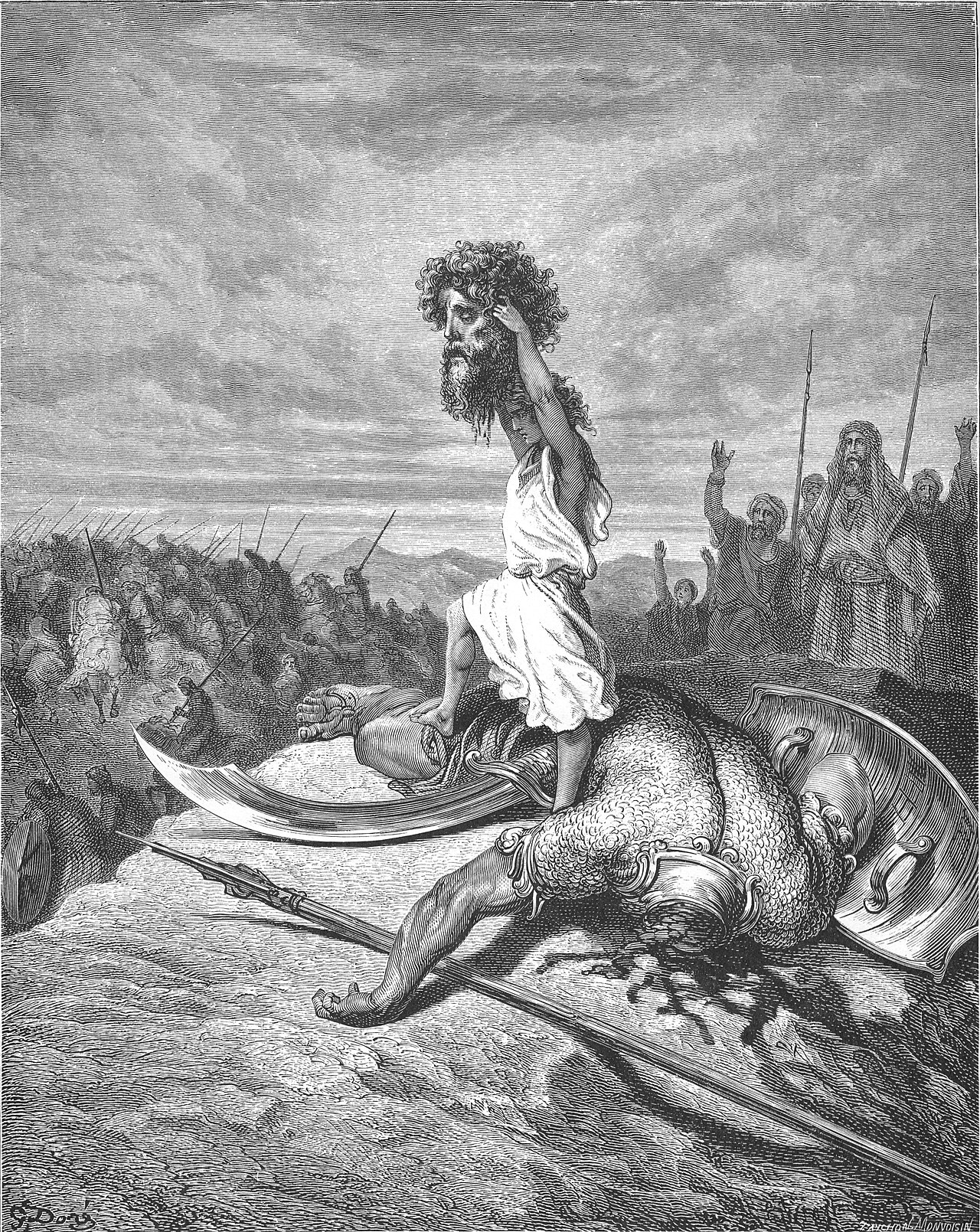
This page draws on Adam Clarke, Commentary on the Bible; Jamieson Fausset and Brown, Commentary Critical and Explanatory on the Whole Bible; Jamieson, Fausset & Brown, Commentary Critical and Explanatory on the Whole Bible; John Gill, Exposition of the Old Testament (1748-1763) and Matthew Henry, Commentary on the Whole Bible.