
Zechariah 7:4
in Zechariah 7Then the word of the LORD of Hosts came to me, saying,
BSB
The same verse in ASV and KJV ▾
ASV
Then came the word of Jehovah of hosts unto me, saying,
KJV
Then came the word of the Lord of hosts unto me, saying,
⋯
This verse in Zechariah 7
Commentary
4 notes on this verseThis site's exposition
the word of the Lord of hosts unto me
on Zechariah 7:4-7
The Lord answers the fasting question with four questions of his own: when you fasted and mourned these seventy years, was it truly for me, and when you ate and drank, was it not for yourselves? Matthew Henry reads this as the standing test of any religious observance, that self can hide inside piety as easily as inside indulgence, and a fast kept from habit rather than from the heart never reached the God it was aimed at. The Lord then reaches back before the exile to the former prophets, when Jerusalem sat in prosperity and the message was the same one already preached and already unheeded.
The record, by era
The Church Fathers1 voice
(Chapter 7, verses 1 onwards) In the fourth year of King Darius, the word of the Lord came to Zechariah on the fourth day of the ninth month, which is Casleu. And they sent to the house of God Sarasar and Rogommelech, along with the men who were with him, to seek the face of the Lord and to speak to the priests of the house of the Lord of hosts and the prophets, saying: Should I weep in the fifth month and separate myself as I have done for many years?
The Puritans and the Awakening2 voices
Then came the word of the Lord of hosts unto me, saying. Upon the sending of this embassy, and upon putting this question.
He exhorts them to reform their lives, which would be the best way of fasting, and to take heed of those sins which brought those judgments upon them which they kept these fasts in memory of,
The words behind it
6 Hebrew wordsEvery Hebrew word of this verse in the order it stands, with what it means and the door to its own study. The last column counts the times a word stands in the whole Bible: the rarer the word, the more the places it appears belong together.
| Hebrew | Sound | Meaning | Word study | In the Bible |
|---|---|---|---|---|
| וַיְהִ֛י | vayhi | and it came | H1961 → | 3559 times |
| דְּבַר־ | devar- | [the] word of | H1697 → | 1440 times |
| יְהוָ֥ה | yahweh | Yahweh | H3068 → | 6520 times |
| צְבָא֖וֹת | tzevaot | of hosts | H6635 → | 485 times |
| אֵלַ֥י | ʾelai | to me | H413 → | 5510 times |
| לֵאמֹֽר׃ | lemor | <to> saying | H559 → | 5305 times |
וַיְהִ֛יand it came
vayhiH1961 →3559 times
דְּבַר־[the] word of
devar-H1697 →1440 times
יְהוָ֥הYahweh
yahwehH3068 →6520 times
צְבָא֖וֹתof hosts
tzevaotH6635 →485 times
אֵלַ֥יto me
ʾelaiH413 →5510 times
לֵאמֹֽר׃<to> saying
lemorH559 →5305 times
A shaded row is a word that stands 400 times or fewer in the Bible.
The walk
5 stopsEach card is a verse this one points to, and under it the verses that one points to in turn. Where several paths arrive at the same place, that place is listed first: the text keeps returning to it.
Through
Isaiah 10:16Therefore the Lord GOD of Hosts will send a wasting disease among Assyria’s stout warriors, and under his pomp will be kindled a fire like a burning flame.
it leads to
- 2 Chronicles 32:21
and the LORD sent an angel who annihilated every mighty man of valor and every leader and commander in the camp of the king of Assyria. So he withdrew to his own land in…
- Psalms 106:15
So He granted their request, but sent a wasting disease upon them.
- Acts 12:23
Immediately, because Herod did not give glory to God, an angel of the Lord struck him down, and he was eaten by worms and died.
- Isaiah 9:5
For every trampling boot of battle and every garment rolled in blood will be burned as fuel for the fire.
- Isaiah 33:10–14
“Now I will arise,” says the LORD. “Now I will lift Myself up. Now I will be exalted.
- 2 Chronicles 32:21
Where this verse is studied
On this page
About Zechariah
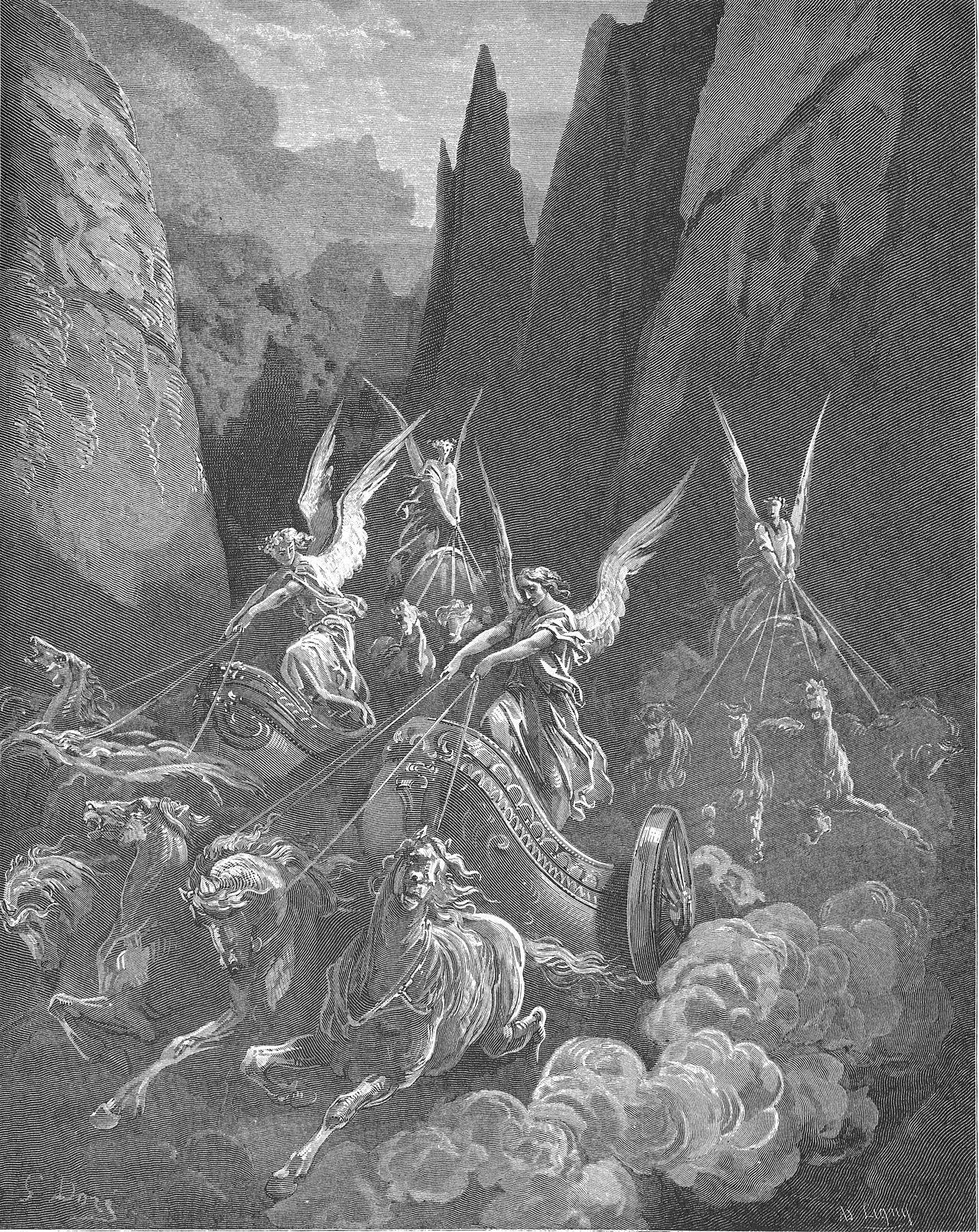
This page draws on Jerome, Commentary on Zechariah; John Gill, Exposition of the Old Testament; John Gill, Exposition of the Old Testament (1748-1763) and Matthew Henry, Commentary on the Whole Bible.