
Proverbs 26:2
in Proverbs 26Like a fluttering sparrow or darting swallow, an undeserved curse does not come to rest.
BSB
The same verse in ASV and KJV ▾
ASV
As the sparrow in her wandering, as the swallow in her flying, So the curse that is causeless alighteth not.
KJV
As the bird by wandering, as the swallow by flying, so the curse causeless shall not come.
⋯
This verse in Proverbs 26
Commentary
7 notes on this verse"As birds and sparrows fly away, so the curse causeless shall not come upon any one." And again [Solomon] says, "Those that bring reproaches are exceedingly foolish." But as the bee, a creature as to its strength feeble, if it stings anyone, loses its sting and becomes a drone; in the same manner you also, whatsoever injustice you do to others, will bring it upon yourselves. .
This site's exposition
As snow in summer
on Proverbs 26:1-3
The chapter opens a portrait gallery of the fool, eleven proverbs hung in a row, and the first three set the method: comparison. Honour on a fool is weather out of season, snow in summer and rain in harvest, wrong and damaging at once; the causeless curse flies off like the sparrow and lands nowhere. The rod for the fool's back completes a working set with the whip and the bridle, and the commentators note the grim placement: what guides a horse and an ass must correct the man who will not be guided by words.
The record, by era
The Church Fathers1 voice
"As birds and sparrows fly away, so the curse causeless shall not come upon any one." And again [Solomon] says, "Those that bring reproaches are exceedingly foolish." But as the bee, a creature as to its strength feeble, if it stings anyone, loses its sting …
The Medieval Church1 voice
For as a bird flying to lofty places, etc. Words are rightly compared to birds because they fly through the air sounding, from the mouth of the speaker to the ears of the listener; but they differ in this, that it can happen that a …
The Puritans and the Awakening1 voice
As the bird by wandering, as the swallow by flying,....
The Nineteenth Century2 voices
As the bird - צפור tsippor is taken often for the sparrow; but means generally any small bird. As the sparrow flies about the house, and the swallow emigrates to strange countries; so an undeserved malediction may flutter about the neighborhood for a season: but in a short time it will disappear as the bird of passage; and never take effect on the innocent person against whom it was pronounced.
A commentator
Albert Barnes1798–1870
Notes, Explanatory and Practical, on the Old and New Testaments (1832-1869)
proposed
i. e., “Vague as the flight of the sparrow, aimless as the wheelings of the swallow, is the causeless curse. It will never reach its goal.” The marginal reading in the Hebrew, however, gives” to him” instead of “not” or “never;” i. e., “The causeless curse, though it may pass out of our ken, like a bird’s track in the air, will come on the man who utters it.” Compare the English proverb, “Curses, like young chickens, always come home to roost.”
How the passage was read
What the Jewish commentators add
On the verses either side of this one
Like snow in the summer when they spread the figs in the sun to dry them and to make fig cakes, as is stated (II Sam.:2): “the bread and the dried figs for the young men to eat.”
This section is reception history: how the passage was read and kept in the Jewish tradition. Where a reading parts from an essential of the Christian faith, the section says so at that point.
Texts and citation data: Sefaria; each excerpt follows its version’s licence. 4 further sources are cited on this chapter that carry no English text this site may quote or only restate the verse.
The words behind it
9 Hebrew wordsEvery Hebrew word of this verse in the order it stands, with what it means and the door to its own study. The last column counts the times a word stands in the whole Bible: the rarer the word, the more the places it appears belong together.
| Hebrew | Sound | Meaning | Word study | In the Bible |
|---|---|---|---|---|
| כַּצִּפּ֣וֹר | katzipor | like <the> bird | H6833 → | 40 times |
| לָ֭נוּד | lanud | for fluttering | H5110 → | |
| כַּדְּר֣וֹר | kaderor | like <the> swallow | H1866 → | |
| לָע֑וּף | lauf | for flying | H5774 → | 26 times |
| כֵּ֥ן | ken | so | H3651 → | 771 times |
| קִֽלְלַ֥ת | kilat | a curse | H7045 → | |
| חִ֝נָּ֗ם | chinam | without cause | H2600 → | 32 times |
| ל֣וֹ | lo | to him | ||
| תָבֹֽא׃ | tavo' | it will come | H935 → | 2568 times |
כַּצִּפּ֣וֹרlike <the> bird
katziporH6833 →40 times
לָ֭נוּדfor fluttering
lanudH5110 →
כַּדְּר֣וֹרlike <the> swallow
kaderorH1866 →
לָע֑וּףfor flying
laufH5774 →26 times
כֵּ֥ןso
kenH3651 →771 times
קִֽלְלַ֥תa curse
kilatH7045 →
חִ֝נָּ֗םwithout cause
chinamH2600 →32 times
ל֣וֹto him
lo
תָבֹֽא׃it will come
tavo'H935 →2568 times
A shaded row is a word that stands 400 times or fewer in the Bible.
The walk
8 stopsEach card is a verse this one points to, and under it the verses that one points to in turn. Where several paths arrive at the same place, that place is listed first: the text keeps returning to it.
Through
Nehemiah 13:2because they had not met the Israelites with food and water, but had hired Balaam to call down a curse against them (although our God had turned the curse into a blessing).
it leads to
- Deuteronomy 23:5
Yet the LORD your God would not listen to Balaam, and the LORD your God turned the curse into a blessing for you, because the LORD your God loves you.
Reached by 2 separate paths from here.
- Deuteronomy 23:5
Through
Numbers 23:8How can I curse what God has not cursed? How can I denounce what the LORD has not denounced?
it leads to
- Numbers 23:20
I have indeed received a command to bless; He has blessed, and I cannot change it.
Reached by 2 separate paths from here.
- Numbers 22:12
But God said to Balaam, “Do not go with them. You are not to curse this people, for they are blessed.”
Reached by 2 separate paths from here.
- Numbers 23:23
For there is no spell against Jacob and no divination against Israel. It will now be said of Jacob and Israel, ‘What great things God has done!’
- Isaiah 44:25
who foils the signs of false prophets and makes fools of diviners, who confounds the wise and turns their knowledge into nonsense,
- Numbers 23:20
Through
2 Samuel 16:12Perhaps the LORD will see my affliction and repay me with good for the cursing I receive today.”
it leads to
- Hebrews 12:10
Our fathers disciplined us for a short time as they thought best, but God disciplines us for our good, so that we may share in His holiness.
- Exodus 2:24–25
So God heard their groaning, and He remembered His covenant with Abraham, Isaac, and Jacob.
- Romans 8:28
And we know that God works all things together for the good of those who love Him, who are called according to His purpose.
- Hebrews 12:10
Where this verse is studied
On this page
About Proverbs
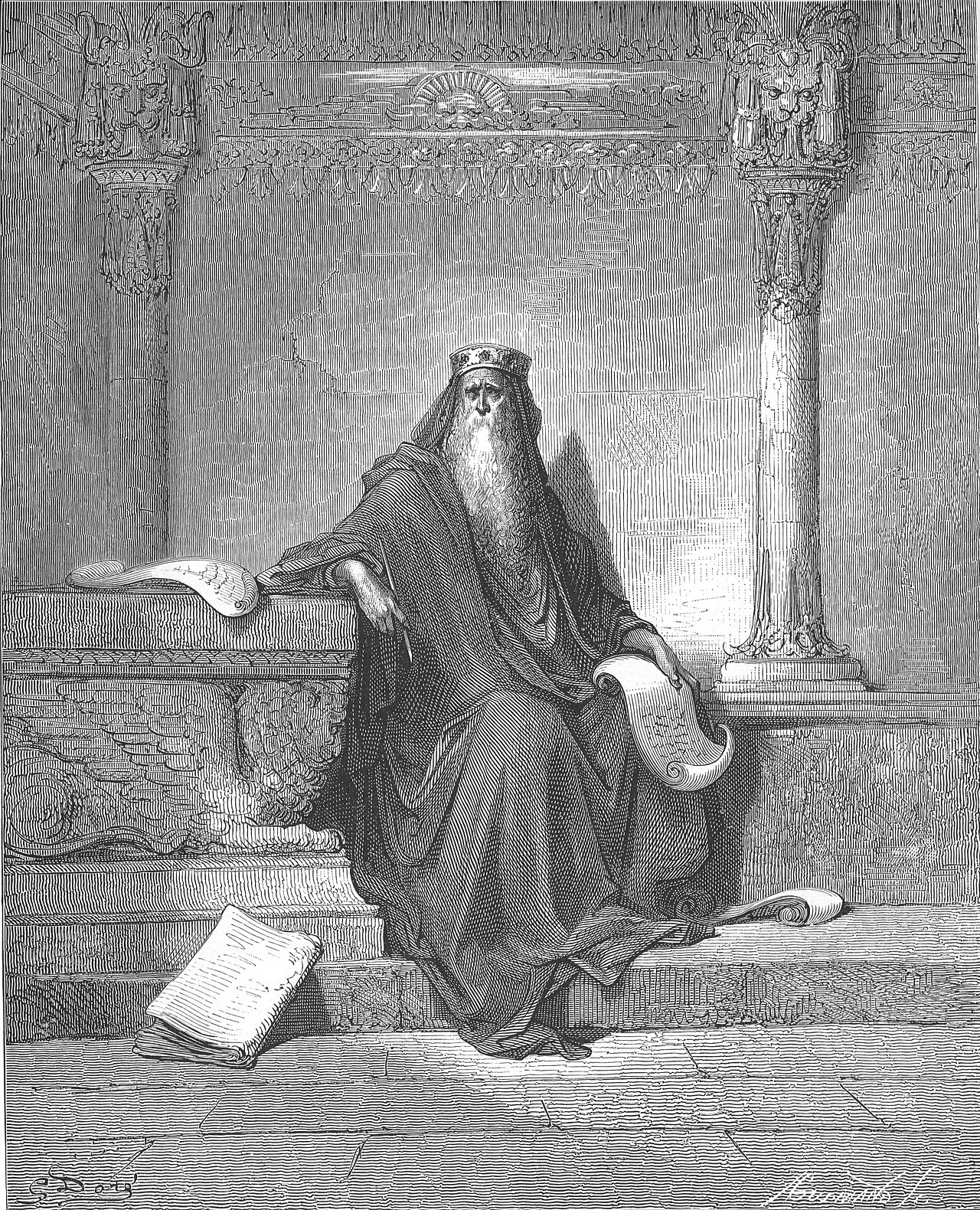
This page draws on Adam Clarke, Commentary on the Bible; Albert Barnes, Notes, Explanatory and Practical, on the Old and New Testaments (1832-1869); Apostolic Constitutions, CONSTITUTIONS OF THE HOLY APOSTLES; Bede, Commentary on Proverbs; Charles Bridges, An Exposition of the Book of Proverbs; John Gill, Exposition of the Old Testament; John Gill, Exposition of the Old Testament (1748-1763) and Nilus of Sinai, CONSTITUTIONS OF THE HOLY APOSTLES 3:1.15.