
Proverbs 26:14
in Proverbs 26As a door turns on its hinges, so the slacker turns on his bed.
BSB
The same verse in ASV and KJV ▾
ASV
As the door turneth upon its hinges, So doth the sluggard upon his bed.
KJV
As the door turneth upon his hinges, so doth the slothful upon his bed.
⋯
This verse in Proverbs 26
Commentary
2 notes on this verseThis site's exposition
There is a lion in the way
on Proverbs 26:13-16
Four proverbs on the sluggard, each a small comedy: the lion invented to keep him indoors, the door turning on its hinges as he turns on his bed, fixed to it and going nowhere, and the hand buried in the bosom that grieveth him to bring it again to his mouth. The last verse stops the laughter: the sluggard is wiser in his own conceit than seven men that can render a reason, which hands him the verdict of verse 12. Laziness, the bench observes here, is finally a thinking problem, an unearned certainty that effort is for other people.
The record, by era
The Puritans and the Awakening1 voice
As the door turneth upon his hinges,.... And moves this way and that way, and opens and shuts, and yet hangs where it did, is not moved from its place: so doth the slothful upon his bed; he turns himself from side to side, but is still on his bed, and does not move out of it, and go about his business.
How the passage was read
What the Jewish commentators add
On the verses either side of this one
in the cauldron He buries his hand in a hot cauldron because of the cold.
This section is reception history: how the passage was read and kept in the Jewish tradition. Where a reading parts from an essential of the Christian faith, the section says so at that point.
Texts and citation data: Sefaria; each excerpt follows its version’s licence. 4 further sources are cited on this chapter that carry no English text this site may quote or only restate the verse.
The words behind it
7 Hebrew wordsEvery Hebrew word of this verse in the order it stands, with what it means and the door to its own study. The last column counts the times a word stands in the whole Bible: the rarer the word, the more the places it appears belong together.
| Hebrew | Sound | Meaning | Word study | In the Bible |
|---|---|---|---|---|
| הַ֭דֶּלֶת | hadelet | the door | H1817 → | |
| תִּסּ֣וֹב | tisov | it turns | H5437 → | |
| עַל־ | ʾal- | on | H5921 → | 5755 times |
| צִירָ֑הּ | tzirah | hinge[s] its | H6735 → | 12 times |
| וְ֝עָצֵ֗ל | veatzel | and a sluggard | H6102 → | 14 times |
| עַל־ | ʾal- | on | H5921 → | 5755 times |
| מִטָּתֽוֹ׃ | mitato | bed his | H4296 → |
הַ֭דֶּלֶתthe door
hadeletH1817 →
תִּסּ֣וֹבit turns
tisovH5437 →
עַל־on
ʾal-H5921 →5755 times
צִירָ֑הּhinge[s] its
tzirahH6735 →12 times
וְ֝עָצֵ֗לand a sluggard
veatzelH6102 →14 times
עַל־on
ʾal-H5921 →5755 times
מִטָּתֽוֹ׃bed his
mitatoH4296 →
A shaded row is a word that stands 400 times or fewer in the Bible.
The walk
8 stopsEach card is a verse this one points to, and under it the verses that one points to in turn. Where several paths arrive at the same place, that place is listed first: the text keeps returning to it.
Through
Hebrews 6:12Then you will not be sluggish, but will imitate those who through faith and patience inherit what has been promised.
it leads to
- Hebrews 13:7
Remember your leaders who spoke the word of God to you. Consider the outcome of their way of life and imitate their faith.
- Hebrews 10:36
You need to persevere, so that after you have done the will of God, you will receive what He has promised.
- Romans 12:11
Do not let your zeal subside; keep your spiritual fervor, serving the Lord.
- 1 John 2:25
And this is the promise that He Himself made to us: eternal life.
- Hebrews 13:7
Through
Proverbs 12:24The hand of the diligent will rule, but laziness ends in forced labor.
it leads to
- Proverbs 12:27
A lazy man does not roast his game, but a diligent man prizes his possession.
- Proverbs 13:4
The slacker craves yet has nothing, but the soul of the diligent is fully satisfied.
Reached by 2 separate paths from here.
- Proverbs 12:27
Through
Proverbs 24:33A little sleep, a little slumber, a little folding of the hands to rest,
it leads to
- Proverbs 6:4–11
Allow no sleep to your eyes or slumber to your eyelids.
- 1 Thessalonians 5:6–8
So then, let us not sleep as the others do, but let us remain awake and sober.
- Proverbs 6:4–11
Where this verse is studied
On this page
About Proverbs
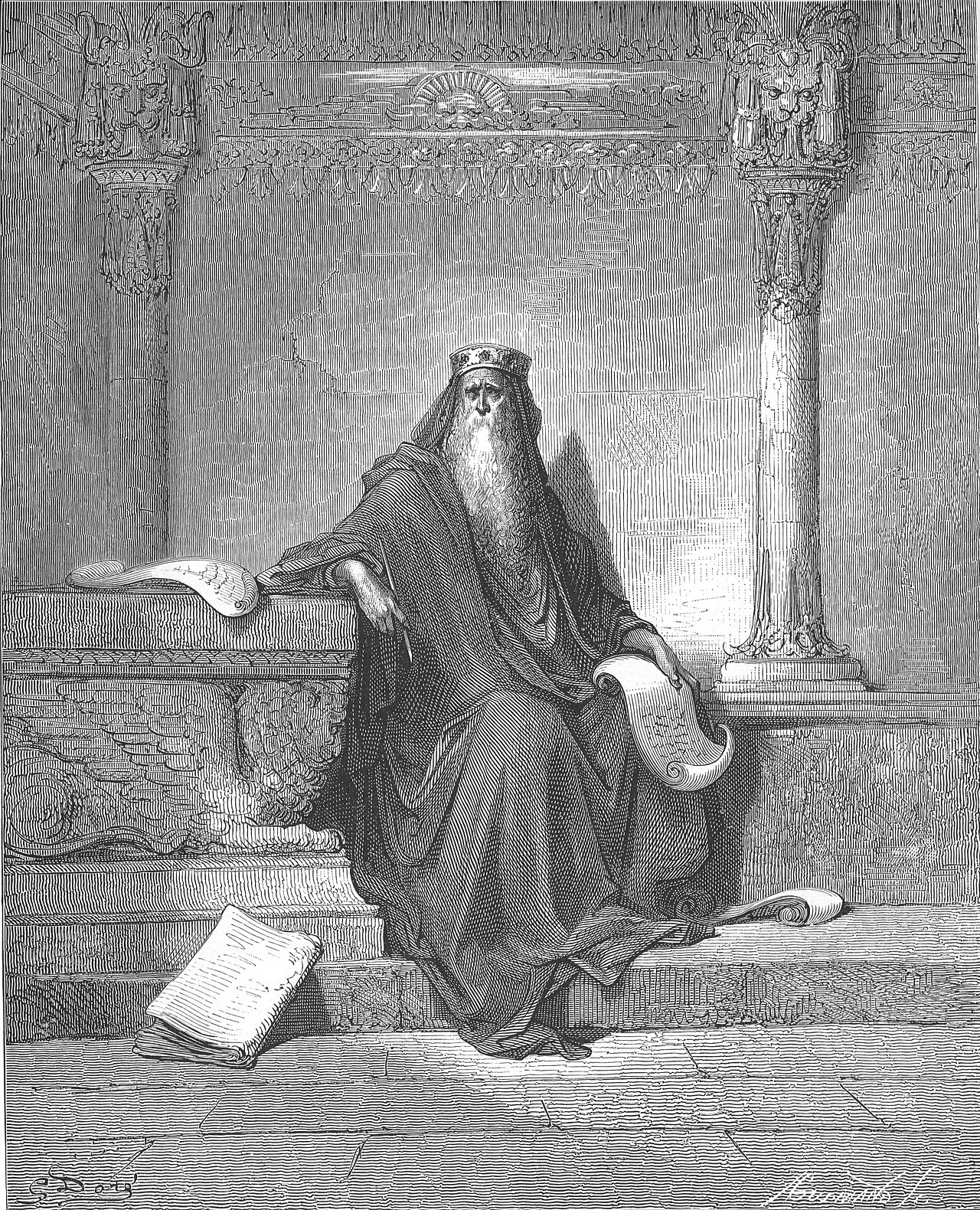
This page draws on Charles Bridges, An Exposition of the Book of Proverbs; John Gill, Exposition of the Old Testament (1748-1763) and Matthew Henry, Commentary on the Whole Bible.