
Proverbs 10:12
in Proverbs 10Hatred stirs up dissension, but love covers all transgressions.
BSB
The same verse in ASV and KJV ▾
ASV
Hatred stirreth up strifes; But love covereth all transgressions.
KJV
Hatred stirreth up strifes: but love covereth all sins.
⋯
This verse in Proverbs 10
Commentary
7 notes on this verseIgnorance involves a lack of education and learning. It is teaching which implants in us the scientific knowledge of things divine and human. It is possible to live uprightly in poverty. It is also possible in wealth. We admit that it is easier and quicker to track down virtue if we have a preliminary education. It can be hunted down without these aids, although even then those with learning, "with their faculties trained by practice," have an advantage. "Hatred," says Solomon, "stirs up strife, but education guards the paths of life."
This site's exposition
The mouth of a righteous man is a well of life
on Proverbs 10:11-14
The tongue cluster opens here and runs through the chapter's end, the mouth of the righteous named a well of life against a violent mouth that hides its own wrong. Love covereth all sins answers hatred that stirreth up strifes in the same verse, the two clauses of 10:12 stating the chapter's whole case for what speech does to a household or a community. The lips of the understanding hold wisdom while a rod waits for the back that has none, and wise men lay up knowledge while the fool's mouth is near its own destruction, the cluster's opening set of contrasts.
The record, by era
The Church Fathers2 voices
This remedy has been granted by God to human weakness: If someone contracts any guilt while living on this earth, almsgiving wipes it away. Almsgiving is a work of love, and we know that "love covers a multitude of sins."
Who can explain the bond of the charity of God? Who can express the splendor of its beauty? The height to which charity lifts us is inexpressible. Charity unites us to God, "Charity covers a multitude of sins." Charity bears all things, is long-suffering in all things. There is nothing mean in charity, nothing arrogant. Charity knows no schism, does not rebel, does all things in concord. In charity all the elect of God have been made perfect. Without charity nothing is pleasing to God.
The Puritans and the Awakening1 voice
Hatred stirreth up strifes,.... A man, whose heart is full of hatred and malice against his neighbour, will stir up, or awake, as the word (d) signifies, contentions and quarrels which were happily laid asleep; these he renews by tale bearing, and whisperings, and evil surmises; by raising lies, spreading false reports and calumnies, and by virulent reproaches and slanders; but love covereth all sins; not its own, but others; in imitation of the pardoning love and grace of God, which covers all the sins of his people with the blood and righteousness of his Son.
The Nineteenth Century2 voices
Hatred stirreth up strifes - It seeks for occasions to provoke enmity. It delights in broils. On the contrary, love conciliates; removes aggravations; puts the best construction on every thing; and pours water, not oil, upon the flame.
A commentator
Albert Barnes1798–1870
Notes, Explanatory and Practical, on the Old and New Testaments (1832-1869)
proposed
Love covereth all sins - i. e., First hides, does not expose, and then forgives and forgets all sins.
How the passage was read
What the Jewish commentators add
Hatred arouses quarrels Even a sin that was forgotten is remembered though additional iniquities.
2 more on this passage, in their own words ▾
The mouth of the righteous is a fountain of life, but the mouth of the wicked, etc. Their mouth conceals the violence that is in their heart, for they talk smoothly with their lips, but hatred is hidden in their heart.
Wisdom is found in the lips of the understanding When a person reproves an understanding individual, he replies to him, “I have sinned,” e.g. David, who said to Nathan, “I have sinned” (11 Sam.:13).
This section is reception history: how the passage was read and kept in the Jewish tradition. Where a reading parts from an essential of the Christian faith, the section says so at that point.
Texts and citation data: Sefaria; each excerpt follows its version’s licence. 2 further sources are cited on this chapter that carry no English text this site may quote or only restate the verse.
The words behind it
8 Hebrew wordsEvery Hebrew word of this verse in the order it stands, with what it means and the door to its own study. The last column counts the times a word stands in the whole Bible: the rarer the word, the more the places it appears belong together.
| Hebrew | Sound | Meaning | Word study | In the Bible |
|---|---|---|---|---|
| שִׂ֭נְאָה | sinah | hatred | H8135 → | 17 times |
| תְּעוֹרֵ֣ר | teorer | it stirs up | H5782 → | |
| מְדָנִ֑ים | medanim | contentions | H4090 → | |
| וְעַ֥ל | veal | and over | H5921 → | 5755 times |
| כָּל־ | kol- | all | H3605 → | 5413 times |
| פְּ֝שָׁעִ֗ים | peshaim | transgressions | H6588 → | 93 times |
| תְּכַסֶּ֥ה | tekhaseh | it covers | H3680 → | 152 times |
| אַהֲבָֽה׃ | ʾahavah | love | H160 → | 38 times |
שִׂ֭נְאָהhatred
sinahH8135 →17 times
תְּעוֹרֵ֣רit stirs up
teorerH5782 →
מְדָנִ֑יםcontentions
medanimH4090 →
וְעַ֥לand over
vealH5921 →5755 times
כָּל־all
kol-H3605 →5413 times
פְּ֝שָׁעִ֗יםtransgressions
peshaimH6588 →93 times
תְּכַסֶּ֥הit covers
tekhasehH3680 →152 times
אַהֲבָֽה׃love
ʾahavahH160 →38 times
A shaded row is a word that stands 400 times or fewer in the Bible.
The walk
8 stopsEach card is a verse this one points to, and under it the verses that one points to in turn. Where several paths arrive at the same place, that place is listed first: the text keeps returning to it.
Through
1 Peter 4:8Above all, love one another deeply, because love covers over a multitude of sins.
it leads to
- Colossians 3:14
And over all these virtues put on love, which is the bond of perfect unity.
- Proverbs 17:9
Whoever conceals an offense promotes love, but he who brings it up separates friends.
- James 5:20
consider this: Whoever turns a sinner from the error of his way will save his soul from death and cover over a multitude of sins.
- 1 Peter 1:22
Since you have purified your souls by obedience to the truth so that you have a genuine love for your brothers, love one another deeply, from a pure heart.
- 1 Corinthians 13:1
If I speak in the tongues of men and of angels, but have not love, I am only a ringing gong or a clanging cymbal.
- Colossians 3:14
Through
Proverbs 17:9Whoever conceals an offense promotes love, but he who brings it up separates friends.
it leads to
- 1 Peter 4:8
Above all, love one another deeply, because love covers over a multitude of sins.
Reached by 2 separate paths from here.
- 1 Peter 4:8
Through
James 5:20consider this: Whoever turns a sinner from the error of his way will save his soul from death and cover over a multitude of sins.
it leads to
- 1 Timothy 4:16
Pay close attention to your life and to your teaching. Persevere in these things, for by so doing you will save both yourself and those who hear you.
- 1 Timothy 4:16
Through
Proverbs 15:18A hot-tempered man stirs up strife, but he who is slow to anger calms dispute.
it leads to
- Proverbs 26:21
Like charcoal for embers and wood for fire, so is a quarrelsome man for kindling strife.
- Proverbs 26:21
Where this verse is studied
On this page
About Proverbs
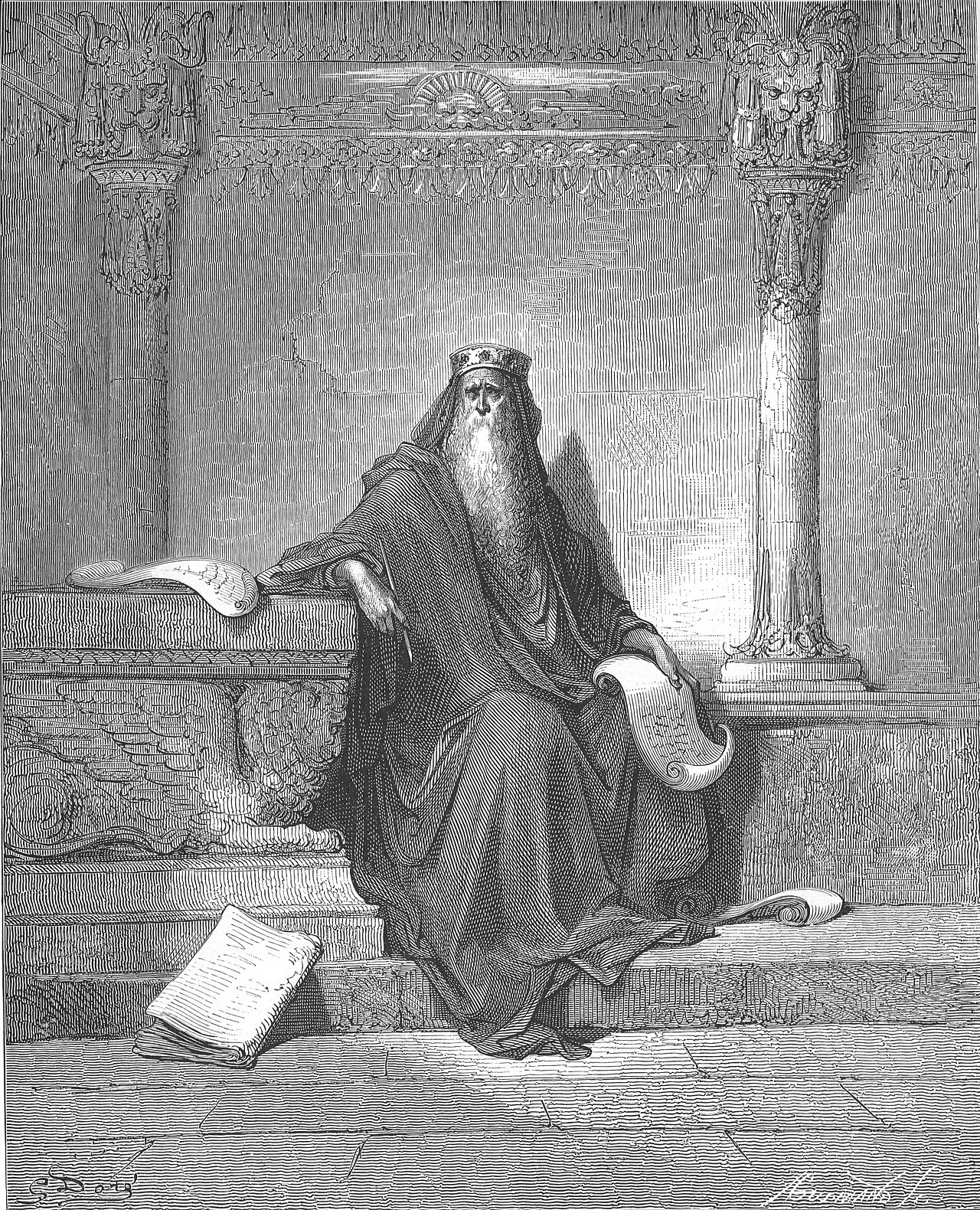
This page draws on Adam Clarke, Commentary on the Bible; Albert Barnes, Notes, Explanatory and Practical, on the Old and New Testaments (1832-1869); Charles Bridges, An Exposition of the Book of Proverbs; Clement of Alexandria, The Stromata Book 1; Clement of Rome, 1 CLEMENT 49; Franz Delitzsch, Biblical Commentary on the Proverbs of Solomon; John Gill, Exposition of the Old Testament (1748-1763) and Leo the Great, SERMON 7:1.