
Prophet
Amos
Prophet of Justice · Divided Monarchy (North) · c. 760-750 BC
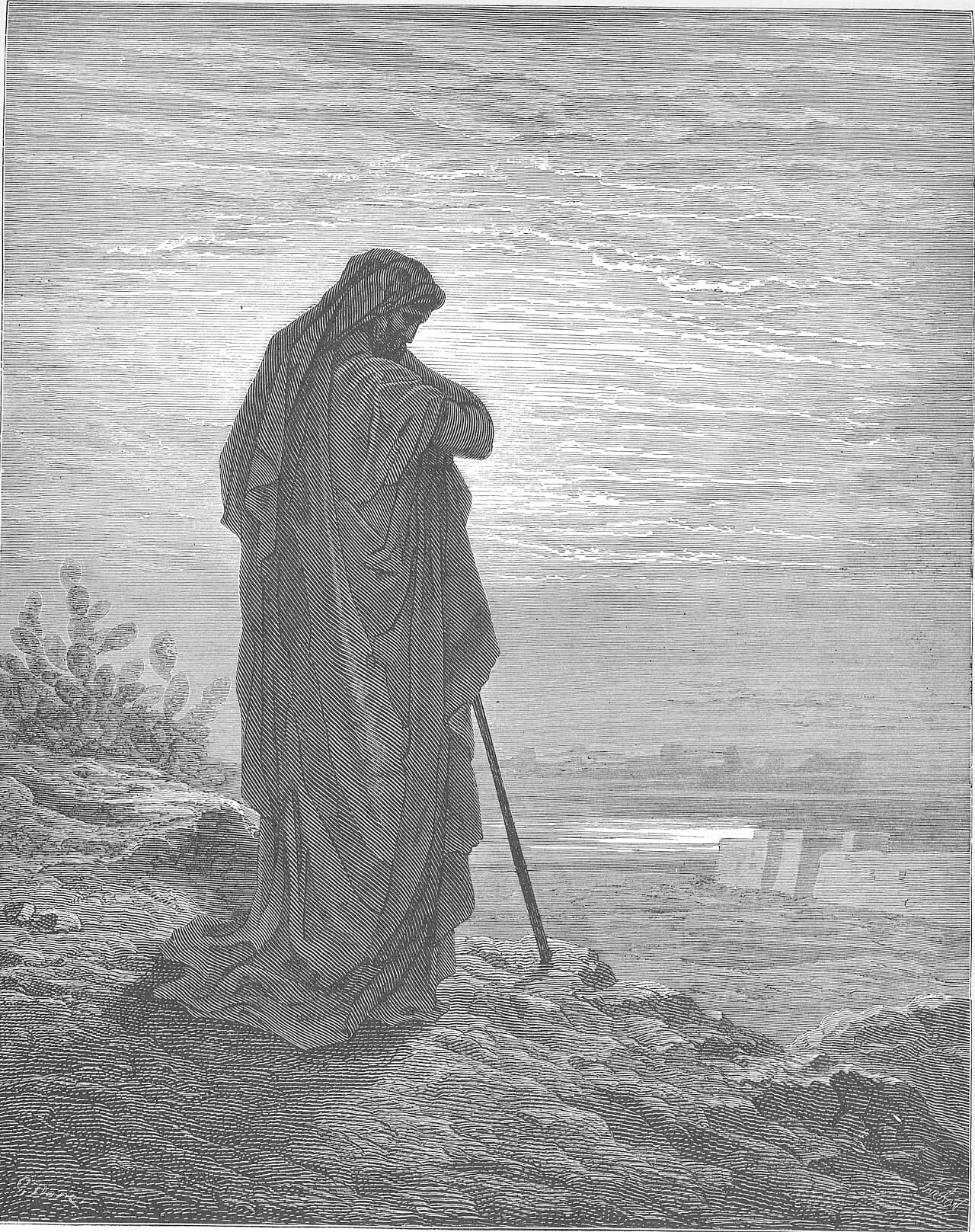
The Prophet Amos, Gustave Doré, 1866. Public domain.
Summary
Amos of Tekoa, a Judean shepherd and dresser of sycamore figs, prophesied against the northern kingdom in the prosperous reign of Jeroboam II. His message names injustice hidden under religious observance, and it stands among the plainest prophetic charges of covenant hypocrisy in the Old Testament.
- Among the passages here, Amos is first named in Amos 7:8: ““Amos, what do you see?” asked the LORD. “A plumb line,” I replied.”
- The record places Amos in Divided Monarchy (North).
- 8 verses name Amos, in 2 books.
On this page
In Scripture
- Verses
- 8
- Books
- 2
Amos
- Role
- Prophet of Justice
- Era
- Divided Monarchy (North)
- Dates
- c. 760-750 BC
- Tribe
- Judah (prophesying to Israel)
Amos in Scripture
Open a book to read its mentions here. Text: Berean Standard Bible. Names repeat in Scripture, so some of these verses may speak of another person called Amos. The two marks are drawn from the chapters this page's own references stand in.
Old TestamentNew Testamentsegment width = share of mentions
Old Testament1 book · 7 mentions
Amos7 mentions
- Amos 1:1These are the words of Amos, who was among the sheepherders of Tekoa—what he saw concerning Israel two years before the earthquake, in the days when Uzziah was king of Judah and Jeroboam son of Jehoash was king of Israel.
- Amos 7:8“Amos, what do you see?” asked the LORD. “A plumb line,” I replied. “Behold,” said the Lord, “I am setting a plumb line among My people Israel; I will no longer spare them:
- Amos 7:10Then Amaziah the priest of Bethel sent word to Jeroboam king of Israel, saying, “Amos has conspired against you in the midst of the house of Israel. The land cannot bear all his words,
- Amos 7:11for this is what Amos has said: ‘Jeroboam will die by the sword, and Israel will surely go into exile, away from their homeland.’”
- Amos 7:12And Amaziah said to Amos, “Go away, you seer! Flee to the land of Judah; earn your bread there and do your prophesying there.
2 further mentions in Amos, read them in the book.
New Testament1 book · 1 mention
Keep studying
On this page
Studies1
People2
Trails1
Books1
Doorway1
Keep this page